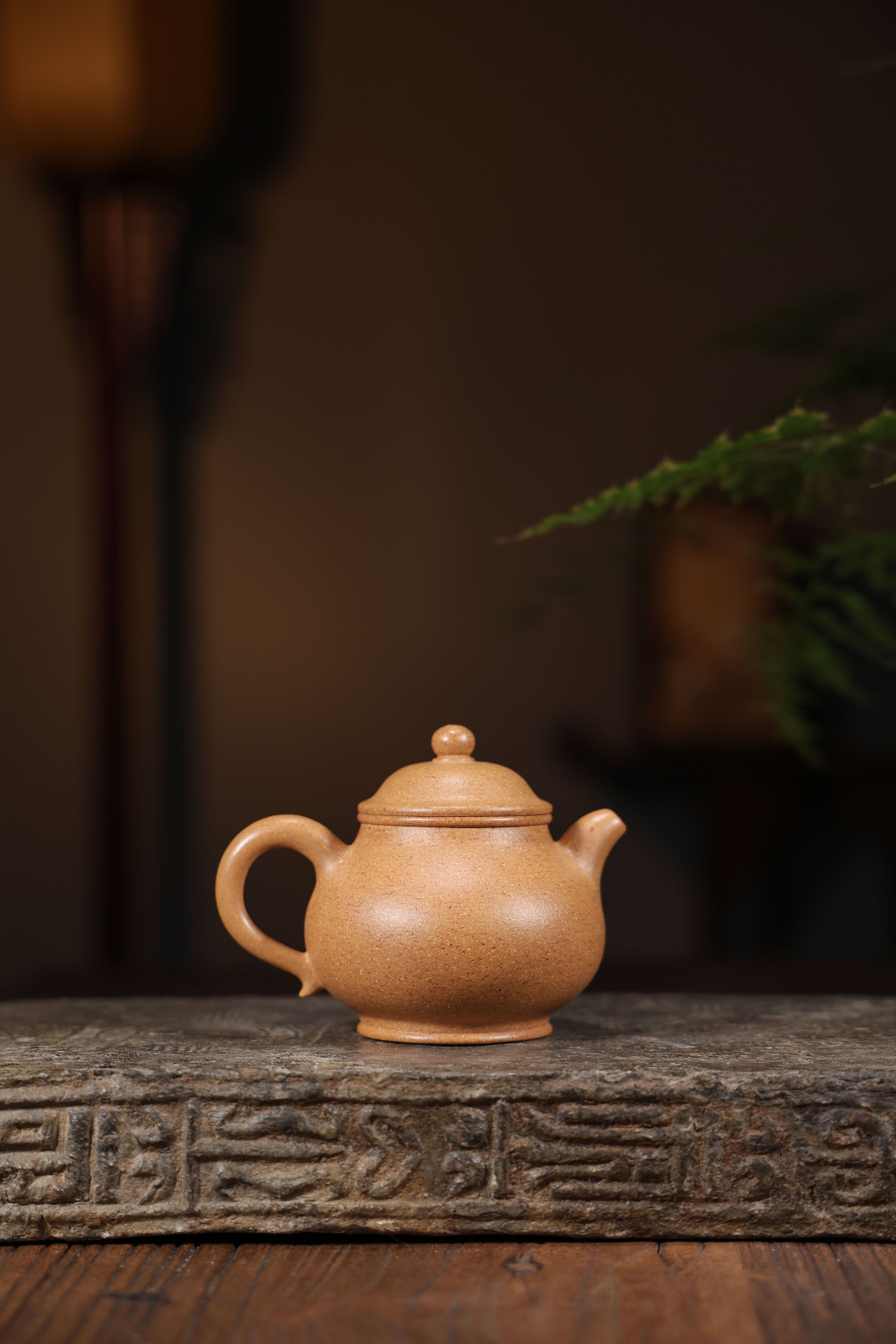
What on‑page elements most influence click‑through for a Purple Clay Teapot ad?
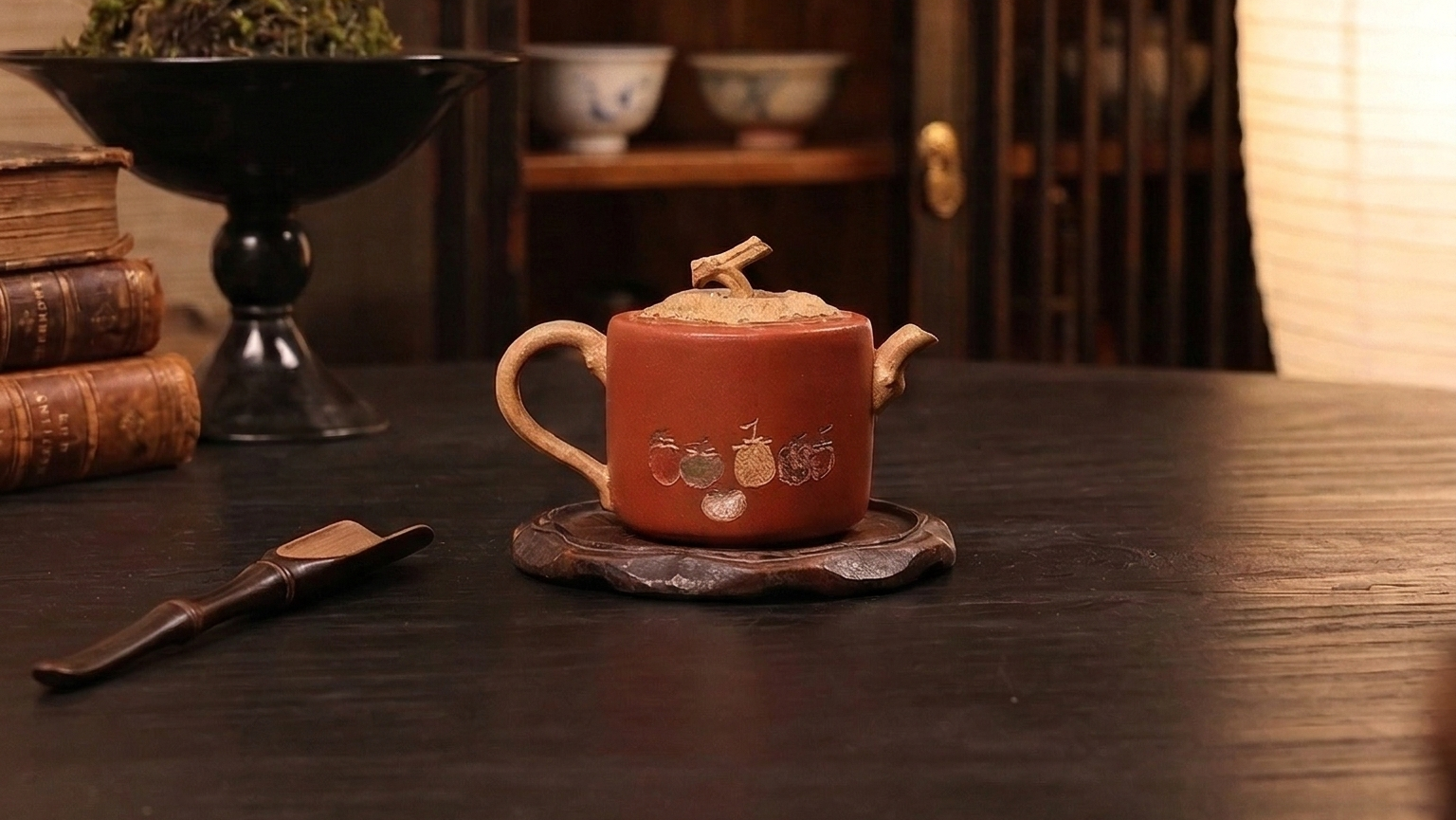
Ages of devotees have craved the exceptional fascination of Yixing Zisha earthenware. Founded in the scenic town of Yixing, the territory, these jars are shaped from a unique and sourced purple clay celebrated for its outstanding thermal properties and facility to amplify the bouquet of beverages. Aside from their practical significance, Zisha teapots illustrate a vast historical tradition, designating them notably cherished and a authentic masterwork for any enthusiastic teapot appreciator.
Delving into Yixing Teapots
Classic teapots showcase a noteworthy synthesis of history and masterful craftsmanship. Emerging in Yixing, Jiangsu Sector of China, their narrative begins from the Ming Dynasty, although proof suggest earlier forms. The unparalleled reddish-brown clay, called Zisha, found merely in the Yixing region, is the integral component, contributing to the pots' exceptional heat preservation and the manner they influence the notes of tea. Periods of potters have polished techniques—often bestowed through families—including modeling the clay, applying decorative embellishments, and firing the pots at exact temperatures.- Back then, Yixing teapots were often embellished with simple designs.
- Down the line, more advanced carvings and figurative motifs became accepted.
- The baking itself is a fundamental element, requiring considerable time of expertise.
Curating Zisha Teapots: Crucial Checkpoints
Beginning a campaign to acquire Zisha kettles can be rewarding, but it’s vital to discern what to look for. Authenticity is essential; focus on the potter’s natural tint, a understated reddish-brown is usual. Examine the touch; genuine Zisha has a distinctive tactile sensation, often explained as slightly unequal. The form should be harmonious and consistent with established styles, while signatures, if present, require meticulous examination for accuracy. Don’t hesitate to consult with seasoned specialists or respected sources – their expertise is irreplaceable.
Oriental Teapots: Discovering the Culture of original Ceramics
Centuries have seen Yixing Zisha Clay teapots retain a notable role in Chinese arts. These carefully constructed pots, sourced specifically from the locality of Yixing, are acclaimed for their characteristic complexion, texture, and their ability to improve the flavor of infusions. Countless collectors chase antique Yixing teapots, treasuring them considerably not only for their aesthetic elegance, but also for the chronicle they signify.
Yixing Zisha Teapots: An Top Kinds and Their Attributes
Zisha Clay teapots, produced in the regional locale of Yixing, this nation, are renowned for their unique clay and exceptional brewing capabilities. Amidst the countless Zisha types, notable classes that are highly admired include Huiwan. Binzhou, known for its rich purple shade and fine texture, delivers a mild flavor. Duan Ni Zisha, recognizable by its chestnut color and moderately grainy feel, is regarded to enhance tea’s weight. Lastly, Zhuni Zisha boasts an exceptional vermilion tone and can provide a pleasant nuance. Each breed supplies a varied experience, causing them very desirable regarding concoction enthusiasts.
Excelling at The Artisan Container
To discover the full potential of your Yixing urn, learning the correct technique is necessary. These clay earthenware, celebrated for their permeability, will gradually assimilate the heart of the tea you brew within them. Begin by cleansing the vessel thoroughly with steaming water. Then, use only fine whole leaf tea, as lower quality options can impair the item’s delicate aroma. Always allow the leaves to develop completely, and remember that with each preparation, your Yixing kettle will become continuously cherished.
Securing Your Invaluable Zisha Treasure
Proper treatment for your Zisha teapot is crucial to maintaining its durability and worth. Zisha clay, acclaimed for its unique tone and structure, requires delicate handling. Never use stringent soaps, as these can spoil the surface. After every application, rinse the jar with mild water and allow it to cool off Chinese Teapot completely.
- Do not soaking the urn for extended times.
- Sometimes use a soft cloth to buff the exterior.
- Weigh applying a thin layer of food-grade oil inside the pitcher after drying, which can diminish staining.
Initial Guide to Yixing Clay Pots
Yixing containers, originating from the Yixing province in Jiangsu Province, located in China, are celebrated for their distinctive properties. Fabricated from the unique purple earth known as Zisha, these jars are prized by liquid enthusiasts worldwide. This guide will gently explain the essentials – covering categories of Zisha clay, widespread shapes, and crucial care notes. Understanding the genesis of Yixing clay pots can broaden your appreciation for this valued example of Han tradition.
Art of Zhongguo Earthenware: Examining Zisha produced in Yixing
Zisha pottery from the Yixing region represents the summit of Oriental kettle design, projecting a uncommon blend of natural beauty and practical artistry. These exceptional pieces are famed for their intense shades, often varying from robust purples and chestnut hues to light greys and gentle beiges. The unique mineral composition of the exclusive Zisha bedrock imparts a distinctive texture and furnishes a enjoyable aroma that increases the whole beverage experience, transforming them greatly coveted collectibles and critical components of any serious infusion.